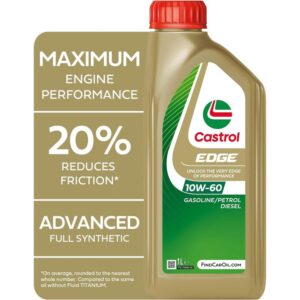
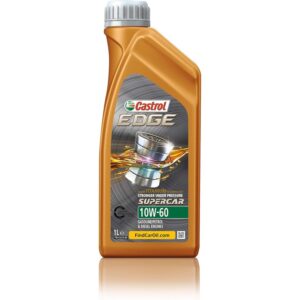
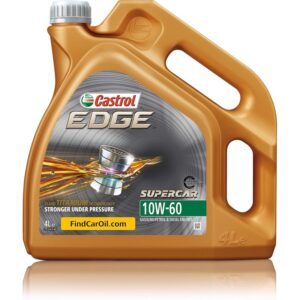
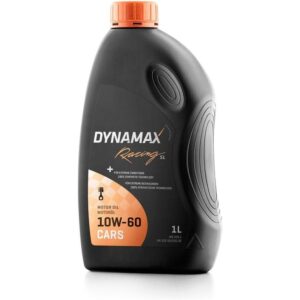
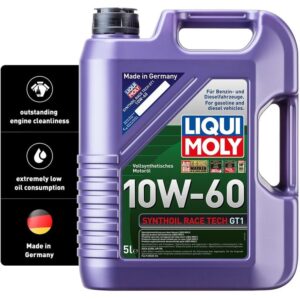
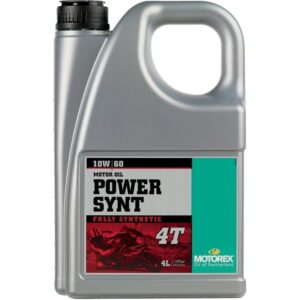
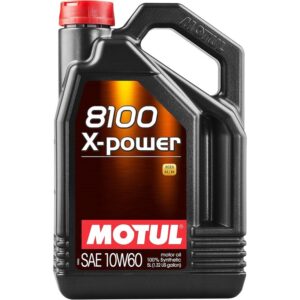
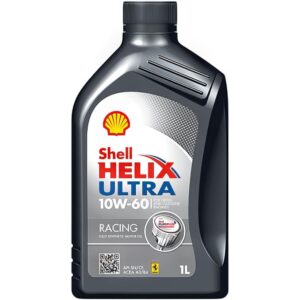
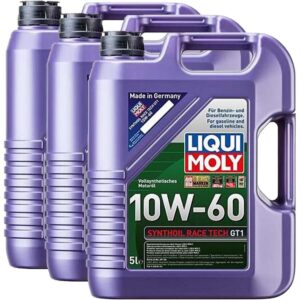
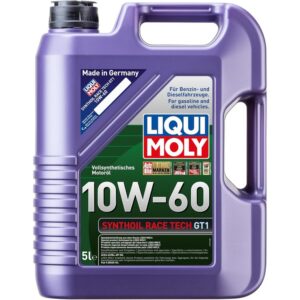
10W-60 Engine Oils
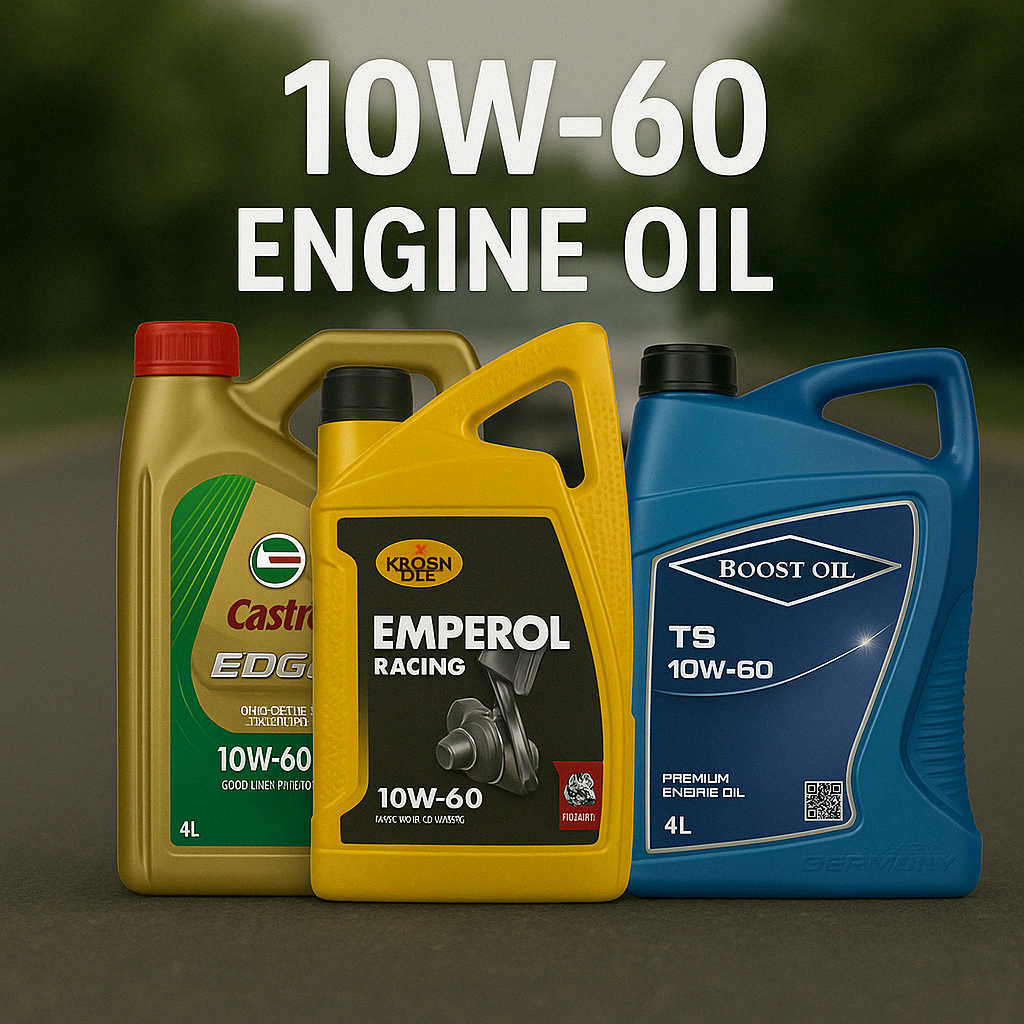
Let’s have a natter about engine oil, specifically the good old 10W-60 stuff. Now, if your car’s manual points you towards this particular brew, or if you’ve got something a bit special parked on the drive, you might be wondering what the fuss is all about. Forget the overly technical jargon for a minute, and let’s talk about why this oil might just be exactly what your engine is craving.
Think of engine oil as the lifeblood of your car’s motor. It’s constantly rushing around, keeping everything slippery, cool, and clean. But not all oils are created equal, and a 10W-60 is a bit of a specialist. The numbers are the key here, telling you how thick or thin the oil is at different temperatures.
The “10W” bit (the “W” is for Winter, by the way, not “weight” as some folks think) tells you how the oil behaves when it’s cold – like on a frosty January morning. A “10” rating means it’s reasonably thin when cold, allowing it to get circulating around the engine quickly from the moment you fire it up. That quick flow is crucial for protecting vulnerable parts during those first few seconds of running before everything’s properly warmed through.
Now, the “60” – that’s the number that sets this oil apart. It describes how thick the oil is when the engine is properly hot, typically buzzing along at about 100°C. A “60” is a pretty high number in the oil world, meaning this stuff stays seriously thick and robust even under extreme heat. Why does that matter? Well, in certain engines, that thicker film is absolutely vital for maintaining protection and oil pressure when things get seriously hot under the bonnet.
Who needs this thick stuff?
You won’t find 10W-60 in your average family hatchback, and honestly, you shouldn’t use it unless your car maker specifically says so. This oil is generally the go-to for performance vehicles and some rather nice pieces of engineering. We’re talking about cars where the engines run hotter and work harder.
Think of some of the cracking machines that often specify 10W-60: various high-performance BMW M cars are prime examples, some Alfa Romeos, Aston Martins, and certain Ferrari models too. It’s also often recommended for engines that have seen a good few miles and might benefit from a slightly thicker oil to help maintain oil pressure and reduce oil consumption as tolerances naturally open up a bit with age and use.
If you’re lucky enough to own one of these beasts, or perhaps a classic that originally specified something similar, checking your owner’s manual is paramount. It really is the definitive guide. Slapping 10W-60 into an engine designed for a thinner oil could actually cause more harm than good, affecting oil flow in narrow passages and potentially causing issues.
Why bother with 10W-60? The perks!
Proper protection when it’s cooking
This is the main event. That high ’60’ rating means the oil maintains a strong, stable film even when the engine is incredibly hot and working its socks off. This dramatically cuts down on wear and tear, keeping those expensive internal bits happy.
Less thirsty engine
In engines prone to using a bit of oil (which can happen, especially with age or hard driving), the thicker nature of 10W-60 when hot can help reduce how much oil gets past the piston rings and burnt off. Keeps your oil level more stable between changes.
Built to last
By offering top-notch protection against heat and wear, a good 10W-60 helps ensure the longevity and reliability of high-stress engines. Gives you peace of mind, whether you’re stuck in traffic or enjoying a spirited drive down a country lane.
Holds up under pressure
If you enjoy pushing your car a bit, perhaps on a track day, 10W-60 oil is designed to handle the extreme temperatures and stresses involved, maintaining crucial lubrication when other oils might start to struggle and break down.
Happy seals
Many quality 10W-60 formulations contain additives that look after your engine’s seals, helping prevent those annoying leaks that can pop up, particularly on older motors.
What’s in the tin? The specs explained simply
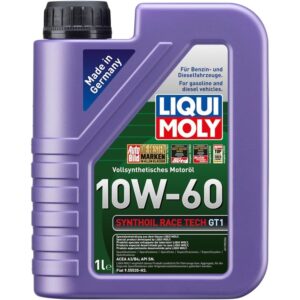
Let’s quick look at what else you might see on the bottle. Besides the 10W-60 bit, you’ll spot things like ACEA and API ratings. Think of these as quality standards – like a kite mark but for engine oil.
ACEA A3/B4 – this is a common European standard for petrol and certain diesel engines (specifically those without those finicky Diesel Particulate Filters, or DPFs). It basically tells you the oil is a good, stable performer, designed for high-performance engines and offering solid wear protection.
API SN/CF – these are American standards. SN is for petrol engines, covering things like keeping pistons clean and fighting against sludge and rust. CF is an older one, sometimes still relevant for specific diesel engines.
Good 10W-60 oils are almost always “full synthetic”. This means they aren’t just refined crude oil (mineral oil) but are engineered from the ground up. This gives them much better stability under extreme temperatures and helps them last longer and perform more consistently than traditional oils. They’re also packed with clever additives – the secret sauce that helps clean the engine, stop gunk building up, prevent foam (which is bad for lubrication), and fight off corrosion. High flash points and low pour points are also tell-tale signs of a quality oil, meaning it won’t vaporise easily under heat and won’t turn to treacle in the cold.
It’s about solving your problem
So, why are you looking at 10W-60 oil? Chances are, you’ve got a car that’s a bit special, or perhaps it’s getting on a bit but you still want to keep it in tip-top shape. The “problem” this oil solves is simple but critical: how to keep a hard-working or higher-mileage engine properly lubricated and protected when it’s running hot and under load. Standard oils might thin out too much, leaving your engine vulnerable to wear. 10W-60 provides that essential, thick cushion of oil where it’s needed most, ensuring your engine can perform as it should without premature wear and tear. It’s about giving you confidence in your car’s engine, whether you’re enjoying a blast or just want the best for your pride and joy.
Look, finding the right oil is key to keeping your engine sweet. If 10W-60 is the right stuff for your vehicle, you’re in the right place. We’ve pulled together a proper selection from trusted brands, so you can be sure you’re getting a quality product.
Have a scroll through the options. We’ve put all the important bits and bobs about each oil there to help you choose. Get the right oil in, and give your engine the protection it deserves.
Showing all 22 results