




Car Ramps for Maintenance, Loading & Levelling
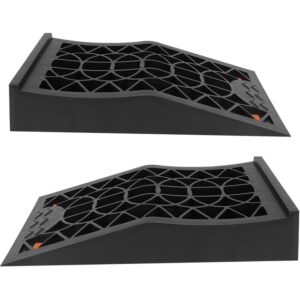
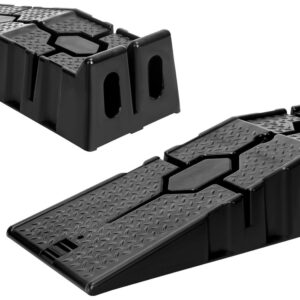
Car ramps are a type of tool specifically designed to raise a car off the ground. These tools are crucial pieces of workshop equipment, designed to safely raise your vehicle off the ground, allowing you to easily access the underside of the car. Providing vital clearance for home mechanics, car ramps serve as a quick, efficient, and safe alternative to using a trolley jack and axle stands for lifting your vehicle.
Why Choose Ramps for Cars?
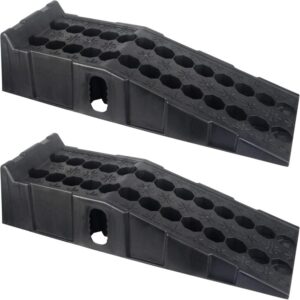
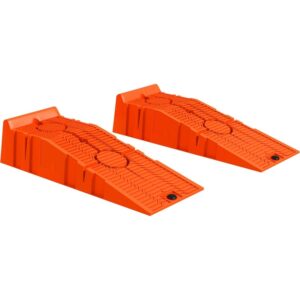
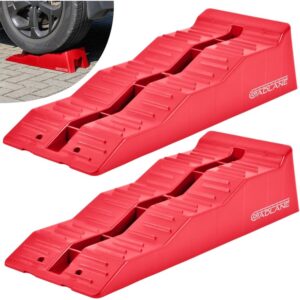
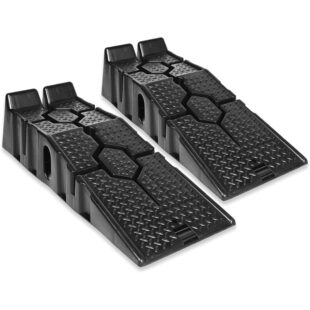
Using a suitable ramp for car maintenance enables you to perform many common jobs without taking your vehicle to a professional garage. They are frequently used for basic maintenance tasks such as oil changes, brake pad replacements, suspension checks, and tyre rotations. Ramps are typically constructed from sturdy materials, including metal (such as Steel or Aluminium) or heavy-duty plastic (like Polypropylene, PP).
Selecting the Right Car Ramps
When purchasing ramps for cars, quality and capacity are paramount. Ramps are generally sold in pairs.
Capacity and Investment
When shopping, you will find that car ramps are rated to a specific capacity, often referred to as ‘2-tonne’ or ‘3-tonne car ramps’. As a rule of thumb, the ramps you purchase should be capable of supporting more than half of your vehicle’s kerb weight.
We recommend considering car ramps as a long-term investment, as they can save you money by allowing home maintenance sessions. For ramps supporting two tonnes, you should budget at least £50, with higher-quality ramps often costing closer to £100. Be aware that cheap ramps may be poorly welded, unable to support the required weight, and consequently, may buckle and fail.
Ground Clearance and Types
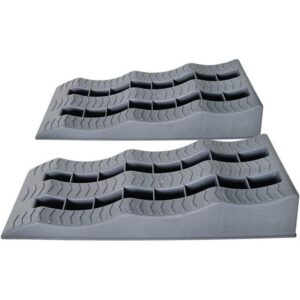
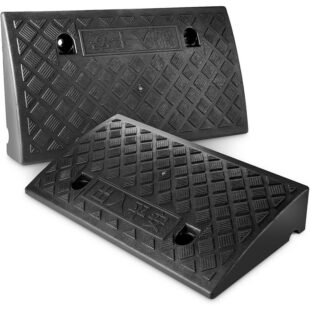
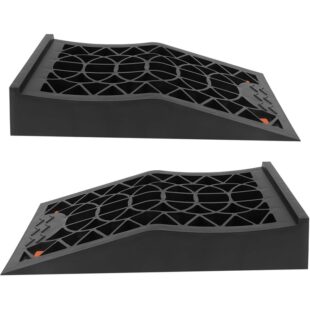
For vehicles with low ground clearance—such as sports cars or modified vehicles—regular ramps may be unsuitable, potentially leading to damage. Specialist low rise car ramps or ramp extensions are available to accommodate these vehicles.
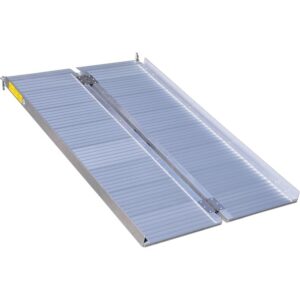
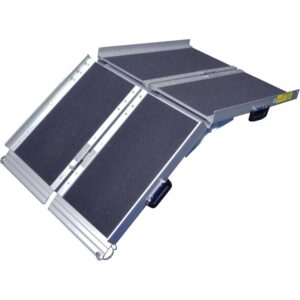
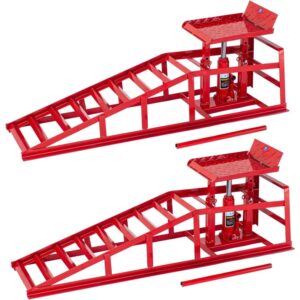
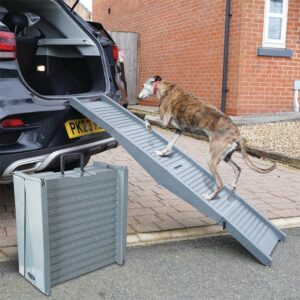
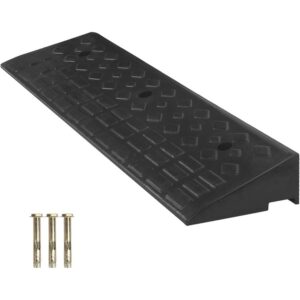
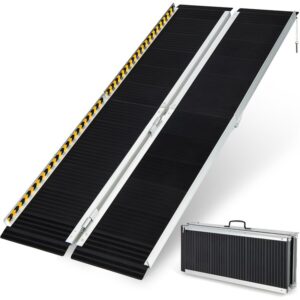
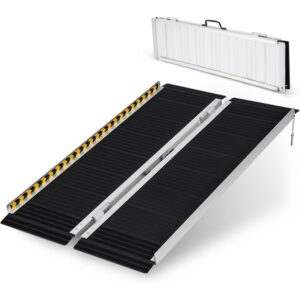
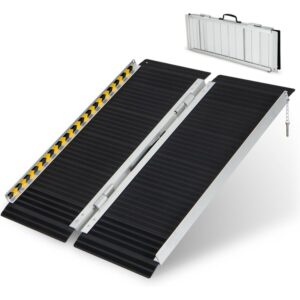
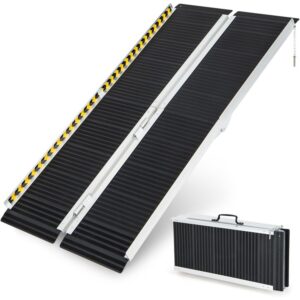
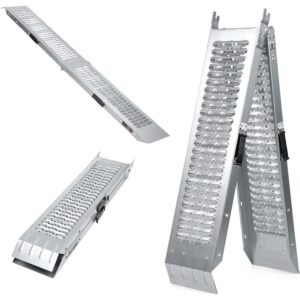
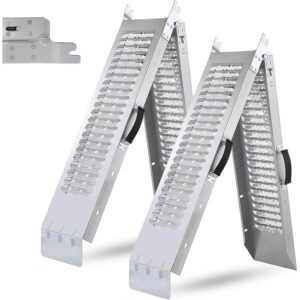
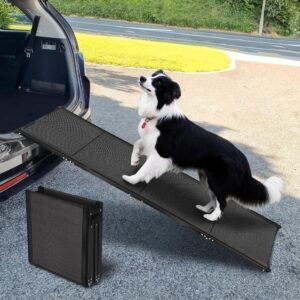
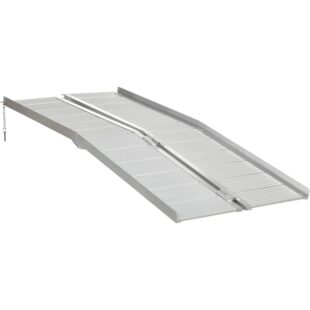
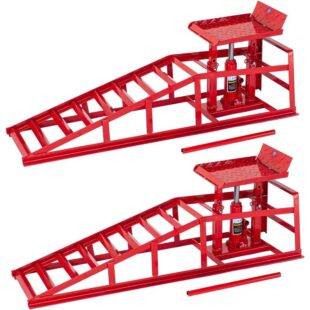
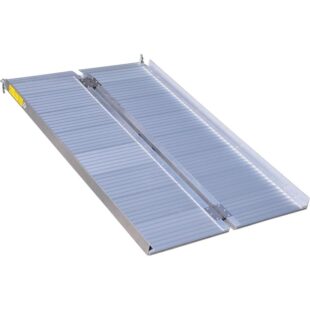
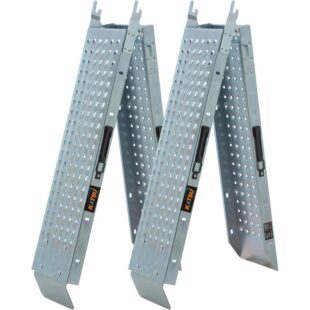
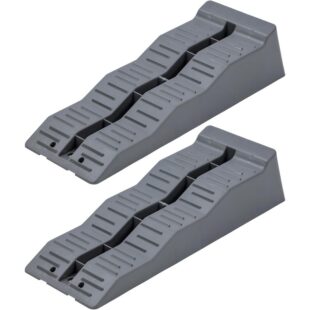
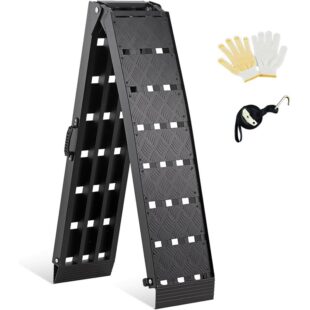
Our category includes various types, such as heavy-duty models, car lifting ramps, foldable ramps, and levelling ramps, which are popular for use with caravans and motorhomes.
Ensuring Safety When Using Car Ramps
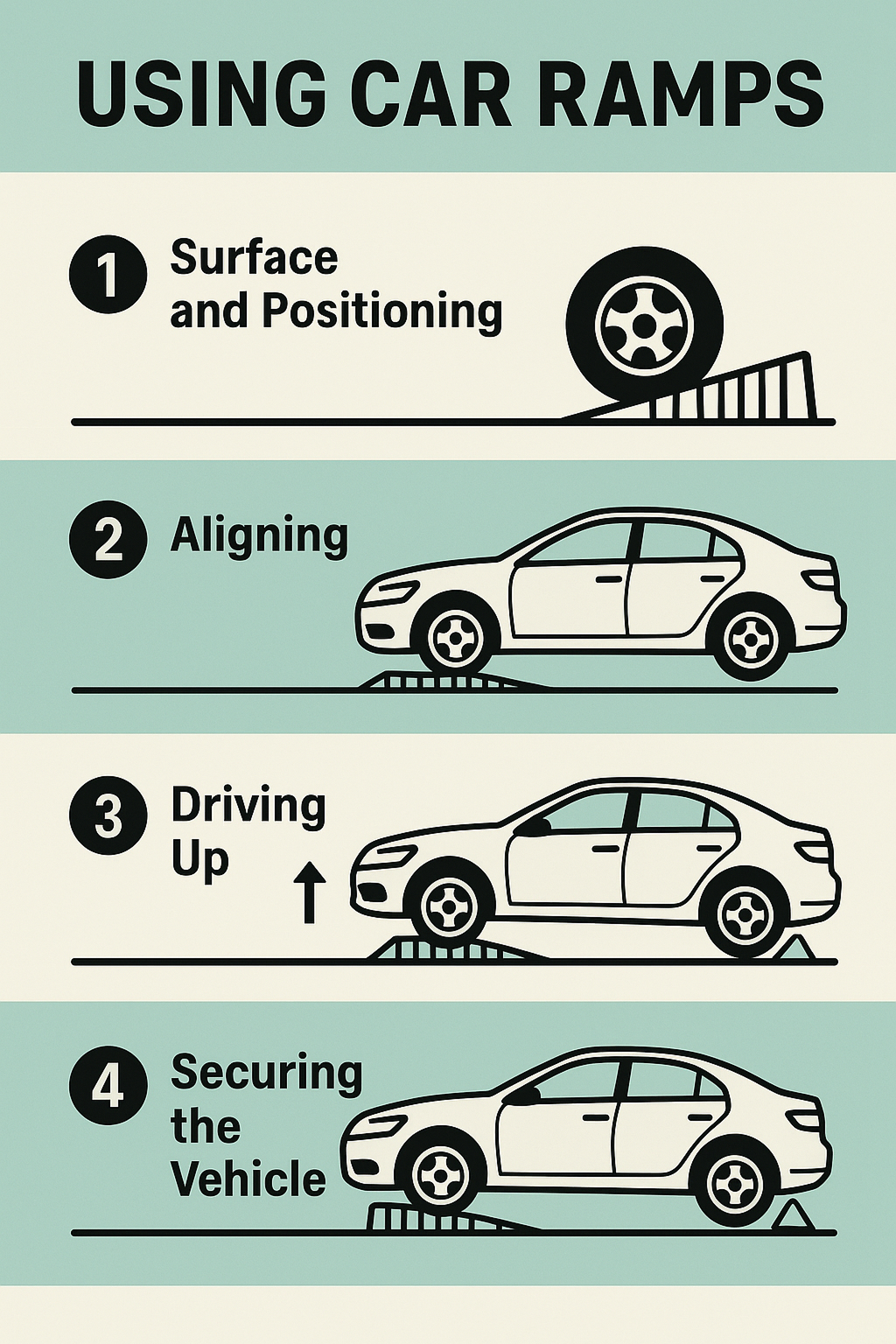
- Surface and Positioning: Always use your car ramps on a firm, level surface. Slopes and angles significantly increase the risk of the vehicle falling off the ramp. Ensure the ramps are placed directly in front of the wheels, touching them and centred as much as possible.
- Driving Up: Drive up the ramp for car maintenance slowly, keeping the speed low and the wheels straight. Stop when the wheels are fully resting on the top flat portion of the ramp.
- Securing the Vehicle: Once the vehicle is in place, engage the parking brake. For additional security, place wheel chocks behind the opposite set of wheels.
- Avoiding Movement: If you find that the ramps for cars slide when you attempt to mount them, an invaluable tip is to secure them: tie a short piece of rope around the bottom rung of the ramp, lay the rope on the ground, and drive the car over it. The weight of the car on the rope will prevent the ramp from shifting.
Condition Checks
It is vital to constantly inspect your equipment. If your car ramps are starting to rust, or if they are bent or buckled, they must be discarded. A ramp’s load-carrying ability relies entirely on its original design, and any alteration or damage compromises its safety.
Showing 1–28 of 139 results