Battery hydrometers for car batteries
If you tinker with your car or look after a set of leisure batteries for your boat or caravan, you’ll know how important it is to keep things running smoothly. One underrated little gadget that can make a world of difference is the battery hydrometer. Not everyone’s heard of one, but if you’re serious about looking after your lead-acid batteries, it’s a tool worth having in your kit.
What is a battery hydrometer?
A battery hydrometer is a handheld tool used to check the specific gravity of the electrolyte fluid in a standard lead-acid battery. What does that mean in real terms? Well, by measuring how heavy the battery fluid is compared to water, it tells you how well-charged your battery is. It’s a clever way to get a peek inside each cell and see if your battery’s raring to go, running low, or ready for retirement.
Why bother with a hydrometer?
It’s all about keeping your battery in good nick. A hydrometer isn’t just for show – it lets you see the health of every cell, spot one that’s underperforming, or catch early warning signs that it’s on its last legs. A quick check now and then helps you nip problems in the bud, stay ahead of breakdowns, and even stretch the life of your battery. It’s proper peace of mind, especially if you rely on your battery for more than just getting to work.
Types of hydrometers you’ll find
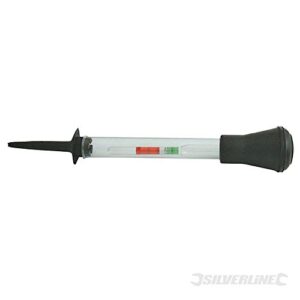
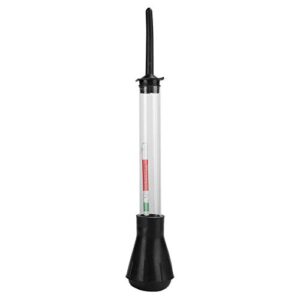
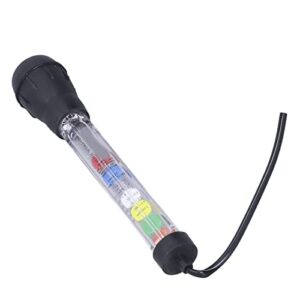
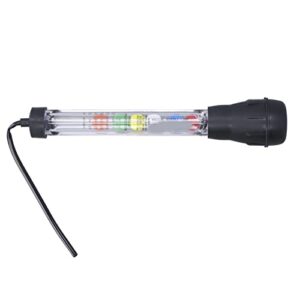
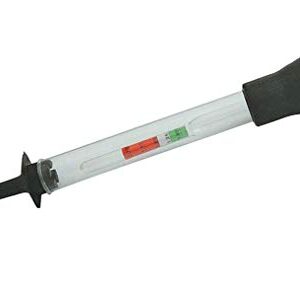
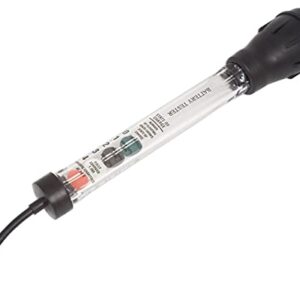
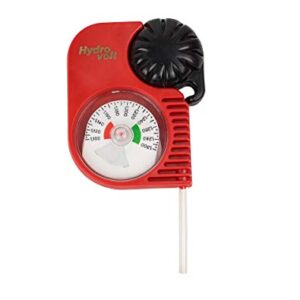
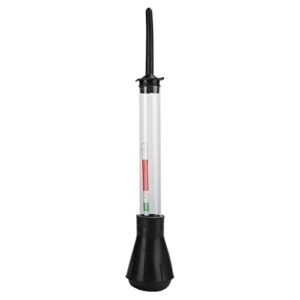
- Glass float-type hydrometers are the old-school option, made of glass with a floating scale inside. They’re pretty accurate but need a careful hand, as they can be a bit fragile.
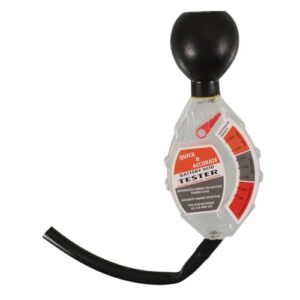
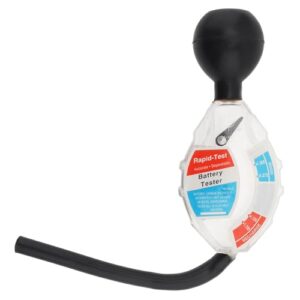
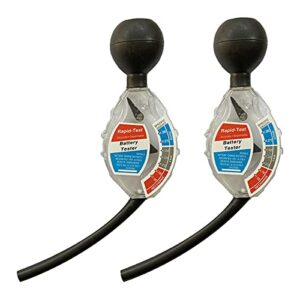
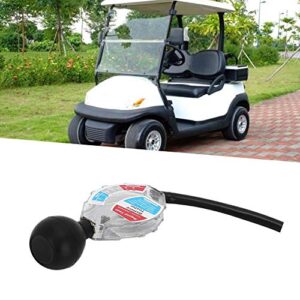
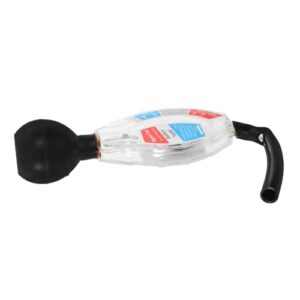
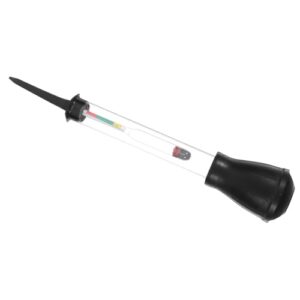
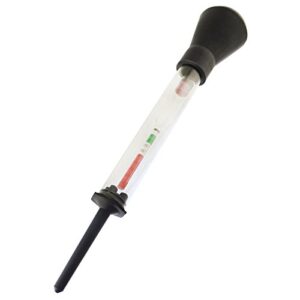
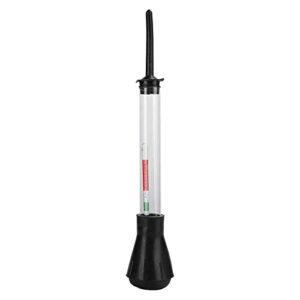
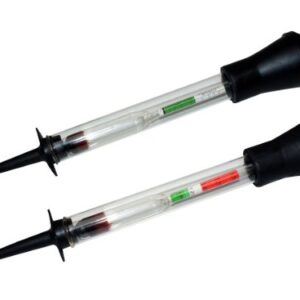
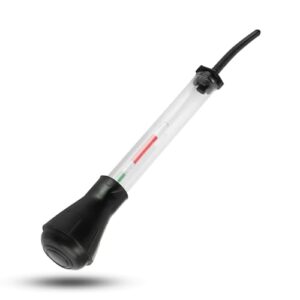
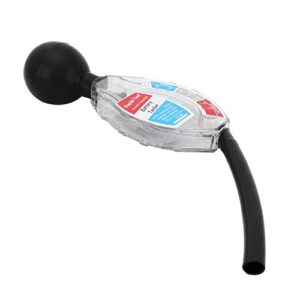
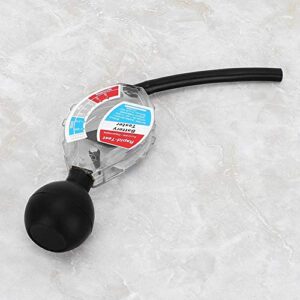
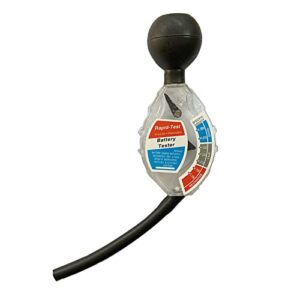
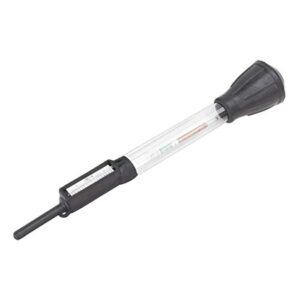
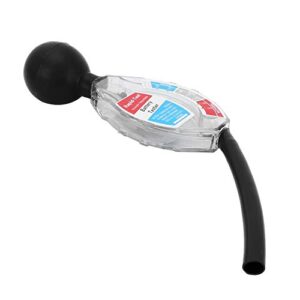
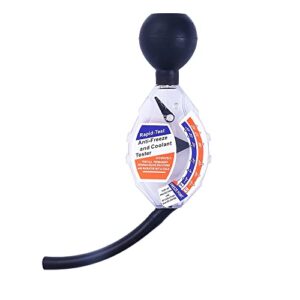
- Syringe-style hydrometers are made mostly from plastic and are a favourite in garages for their ease of use and decent durability.
- Digital or electronic hydrometers give you a number on a screen and are brilliant for quick, mistake-free readings, especially if you’re testing batteries regularly.
- Professional or industrial hydrometers are the beefed-up kind, with higher accuracy and tougher construction – spot on for workshops or anyone who puts theirs through its paces.
- Depending on how often you check your batteries – and how rough you are with your tools – one type might suit you better than another.
How to use a battery hydrometer
- Always put on gloves and eye protection, just in case you come face-to-face with battery acid – it’s not to be messed with.
- Take off the battery’s cell caps so you can get to the liquid inside.
- Pop the tip of the hydrometer into the cell, then draw up a bit of electrolyte fluid, enough to get a reading.
- If it’s an old-fashioned float type, read the number where the float sits. With digital, you just check the screen.
- Jot down the numbers for each cell – the idea is to compare them and spot any laggers.
- Give the hydrometer a rinse with distilled water between each cell, so you don’t muddle your results.
- Once you’re finished, cap the battery back up and tidy away your kit.
- Don’t forget to give everything a final clean, especially if you’ve had any spills.
Features to keep an eye out for when buying
- Check the accuracy and whether you can calibrate it – guesswork isn’t much use here.
- Decide if you want glass (clear as day, but easy to break) or plastic (takes a knock, not quite as posh).
- Make sure it’s acid resistant, as it’s going to get up close and personal with battery fluids.
- Look for a scale that’s dead easy to read, whether you’re going for old-school or digital.
- Pick something straightforward to clean – you’ll thank yourself after the first few uses.
Which batteries can you actually use them on?
Hydrometers are made for batteries with removable caps and accessible fluid – that’s your standard serviceable, flooded lead-acid variety. They’re no use with sealed, AGM, or gel batteries, since you just can’t get to the innards to take a sample. Always double-check your battery type, or you’ll end up frustrated.
Showing all 28 results