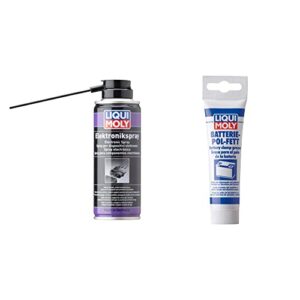
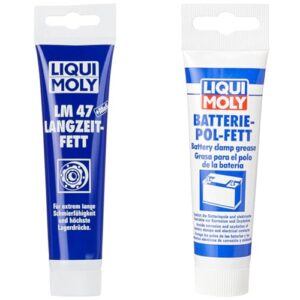
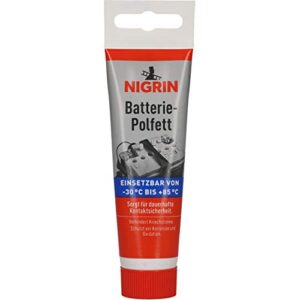
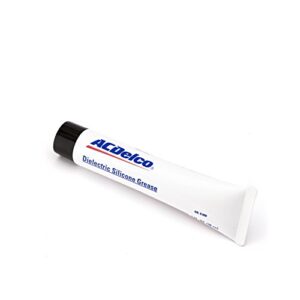
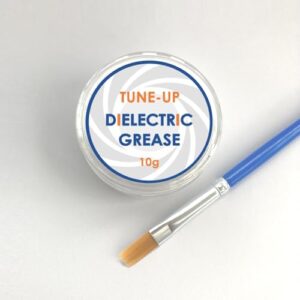
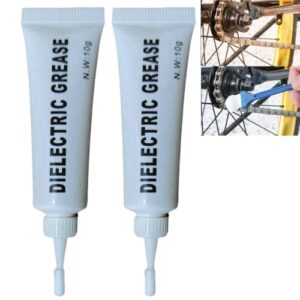
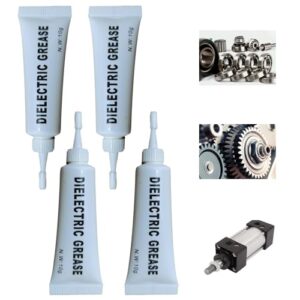
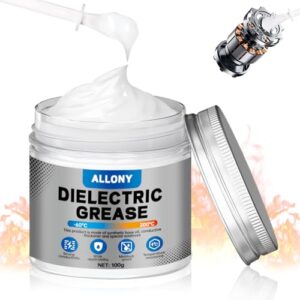
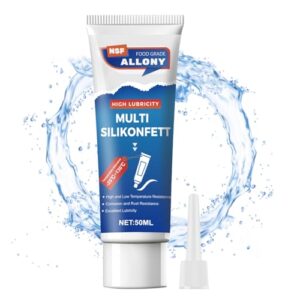
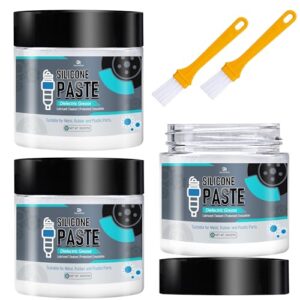
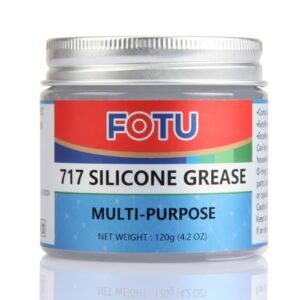
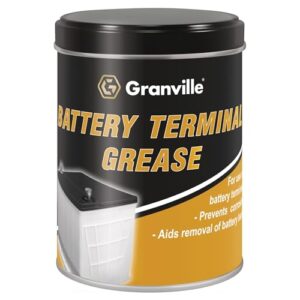
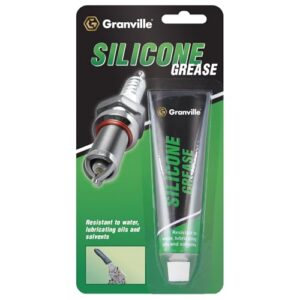
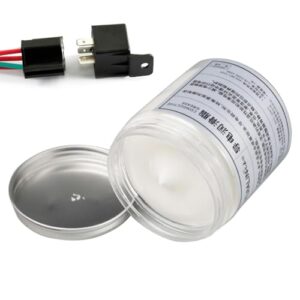
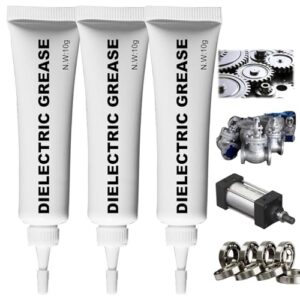
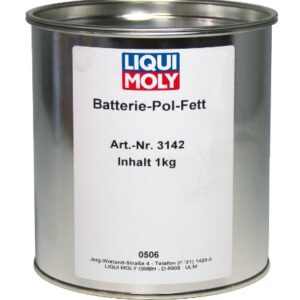
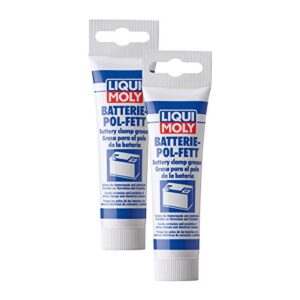
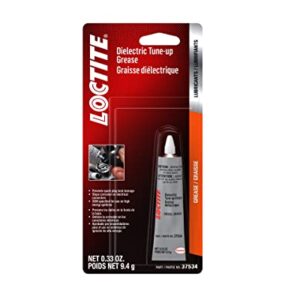
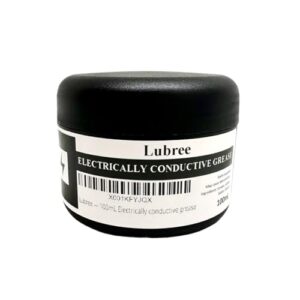
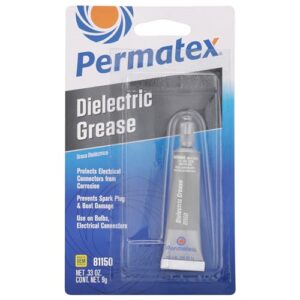
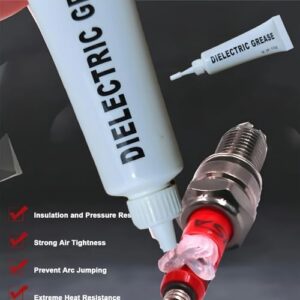
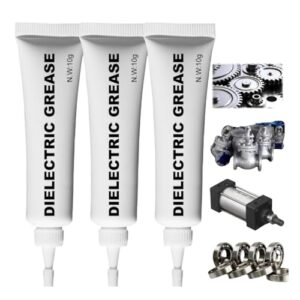
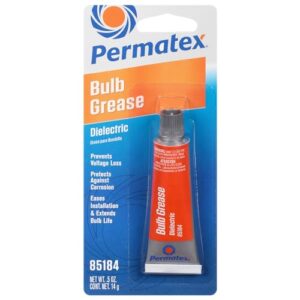
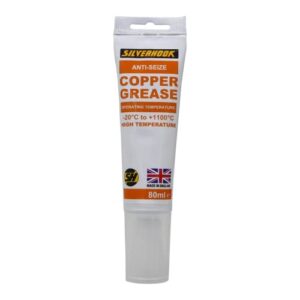
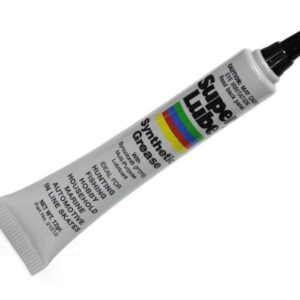
Dielectric greases is a handy mate for your car’s electrics
If you’ve ever poked around your car and wondered how on earth those fiddly electrical connections survive all the rubbish the British weather throws at them, dielectric grease is your answer. It’s one of those unsung heroes of car maintenance: slap a bit of this on the right spots and you’ll keep moisture, grime, and corrosion well at bay. Honestly, it’s a proper lifesaver for stuff like battery terminals, spark plug boots, trailer plugs – anywhere you’ve got metal connectors that are vital but a bit vulnerable.
Alright, so what exactly is dielectric grease?
Think of dielectric grease as a sort of shield for your car’s electrics. It’s a silicone-based gel – not your average oily muck – that keeps water, dirt and the rest out of your electrical bits without letting current jump where it shouldn’t. Because it doesn’t conduct electricity, you don’t have to worry about it shorting your circuits or causing weird gremlins in your wiring. In short, it’s specially cooked up for cars, unlike some generic greases you might find in the shed.
Where do you stick it, then?
You’ll find dielectric grease earns its keep pretty much anywhere you’re worried about a dodgy connection due to rust or muck. Common trouble spots in your motor include:
- Battery terminals,
- Spark plug boots,
- Light bulb sockets,
- Trailer connectors,
- Any other wiring joiners or plugs lurking under the bonnet.
A little goes a long way and, by sorting these spots out, you can fend off flakiness, poor starts, or annoying electrical faults – which, let’s face it, are the bane of any car owner’s life.
Choosing the right dielectric grease – don’t just grab any old tube
Not all greases are created equal, and there’s a bit more to picking the right stuff than just grabbing whatever’s on offer at Halfords. Here’s what you want to keep in mind:
➡️ Make sure the grease plays nice with plastics, rubbers, and metals. Some greases can actually eat away at plastics, which is a right pain if you’re unlucky.
➡️ Our weather might be unpredictable, but under the bonnet things get proper hot and cold. Make sure your grease can handle the extremes – check it’s good from freezing all the way up past 200°C so it won’t dry out or melt into a puddle.
➡️ The whole point is keeping moisture out, so pick something that’s properly water-repellent. This is non-negotiable in the UK, let’s be honest.
➡️ Tubes, brush-on applicators – find one that’s easy to use without leaving a greasy mess everywhere.
➡️ Don’t scrimp, here. Go with stuff that’s had good reviews and is well-regarded by mechanics. If thousands of other car owners swear by it, that’s a good sign it’ll do the trick.
With all that sorted, you’ll avoid many a headache from dodgy electrics, corrosion, or mysterious voltage drops.
FAQs – Just a few niggling questions answered
How’s dielectric grease actually different to normal grease?
It’s all about the non-conductive, insulating qualities. Regular grease can sometimes carry a current or even nibble away at certain plastics or rubbers. Dielectric grease, on the other hand, keeps things slick but insulates, protecting your connections without causing hidden dramas.
Is it basically just silicone grease?
Almost, but not quite. Dielectric grease is a specific kind of silicone grease that’s designed to insulate as well as lubricate. Not all silicone greases are up to the job – so always check the label for proper dielectric properties.
Is there any chance dielectric grease will make a connection worse, rather than better?
If you’ve heard tales of woe, don’t panic – applied properly, it absolutely will not mess up your electrics. It doesn’t help conductivity, but it doesn’t get in the way either. The current flows through the metal-to-metal contact, while the grease keeps the rest safe from the elements.
So, next time you’ve got the bonnet open, give your car’s sensitive connections a bit of TLC with the right dielectric grease. It’s one of those small jobs that pays dividends down the road, helping you avoid faff, faults, and the odd embarrassing non-starter in the rain!
Showing all 27 results