The unpleasant squeak, squeak, squeeeeeeak sound your windscreen wipers make can be quite distracting and annoying. It’s annoying, but it may also be dangerous, especially if the wipers aren’t doing a good job of clearing your windscreen. The good news is, it’s usually easy to figure out and sort the problem yourself.
So, what makes windscreen wipers squeak in the first place? Let’s find the cause of that unwanted noise.
Common Causes of Squeaky Windscreen Wipers
A number of things can cause your wipers to start squeaking – here are the most common ones.
- Failing or old wipers – over time, the rubber can go hard, crack or lose its shape. When that happens, the blades stop flexing properly and start dragging instead of gliding. It’s probably time to replace them if they appear a little worn out.
- Dirty windscreen or wiper blades – any dirt, sand, road salt or even bird droppings on either the windscreen or the blades can lead to annoying squeaks. This muck increases friction as the wipers move, and over time, can even scratch your windscreen. For this reason, it’s a good habit to give both the glass and your wiper blades a quick clean before turning them on, especially in winter or after a long drive.
- Dry windscreen – Windscreen wipers are designed to be used only when there’s moisture present – either rain or washer fluid. Running them on a dry screen isn’t just unnecessary, it can actually cause the blades to drag, make noise, and wear out faster. Most modern cars even prevent wipers from operating on a dry screen for this reason.
- It’s essential to use wipers designed specifically for your car’s make and model – the right size and fitting ensure the blades sit properly against the windscreen. Poorly-fitted or misaligned wipers might not make good contact or could dig into the glass, causing extra friction and that dreaded squeak. While the rubber does adapt to curved glass, choosing the right attachment type remains important.
- Manufacturing defect – on rare occasions, even a brand-new wiper blade can squeak if there’s a manufacturing defect. In reputable shops, this is unlikely, as quality control is strict and defective products are filtered out before reaching customers.
How to Stop Squeaking Windscreen Wipers
Once you’ve identified the potential cause, here are steps you can take to fix the issue:
- Cleaning the wiper blades and windscreen.
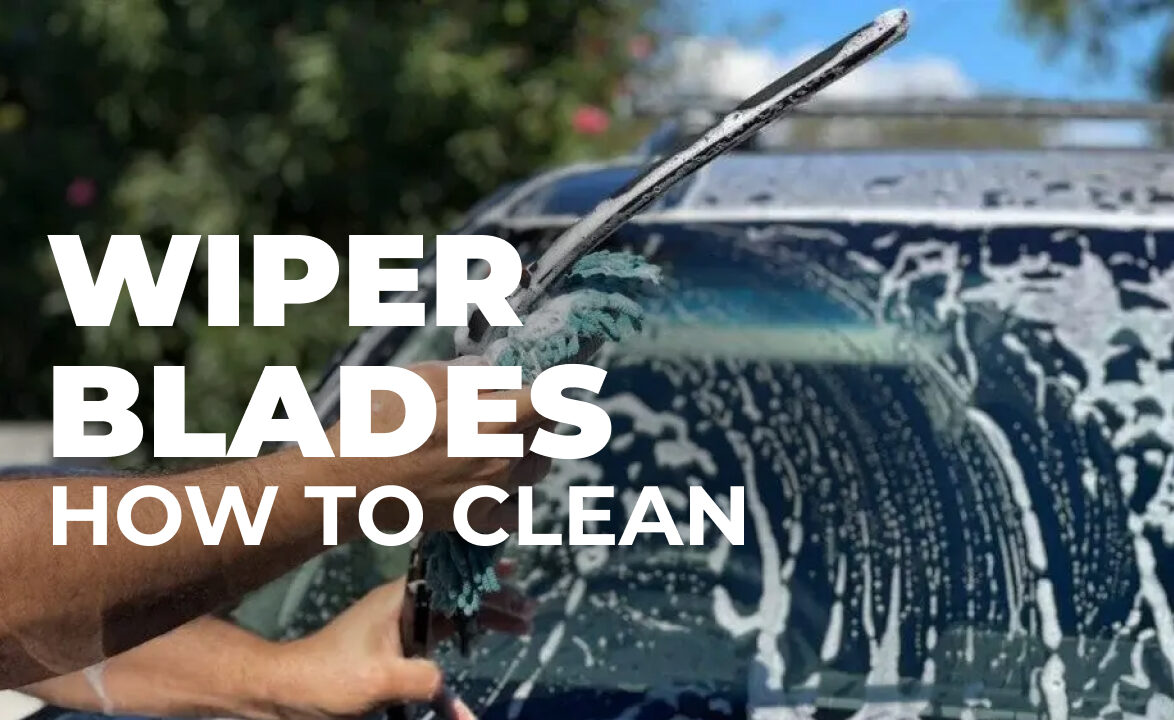
Pull the wiper blades away from the windscreen and examine them for dirt or signs of wear. Thoroughly clean the rubber edges with lukewarm soapy water, isopropyl alcohol or a normal cloth or paper towel. For a full, step-by-step tutorial on how to clean wiper blades the right way and get the greatest results, see this article. Get into all the little nooks and crannies — a soft toothbrush can work wonders here. Cleaning your blades regularly not only extends their life, but also improves their performance. If your windscreen looks fairly clean, a quick wipe of the wiper blades themselves is often all it takes — they’re designed to handle the rest. Some people like to use WD-40, but in our experience, we recommend using a product specifically designed for wiper blades to avoid damaging the rubber. - Check and refill washer fluid levels.
Make sure the washer fluid reservoir is always sufficiently filled and within the recommended limits for your car. The fluid not only helps clean the windscreen, but also allows your wipers to glide smoothly, reducing friction and preventing squeaking. Most modern cars will notify you on the dashboard when the washer fluid is low, but it’s still a good habit to check the level regularly – especially if you use your wipers often. - Check wiper fitment and position.
If your wipers are still squeaking after a thorough clean, it’s worth double-checking that you’ve got the correct model and size fitted. The wrong type can cause poor contact with the glass, leading to skipping, smearing, or noise. In rare cases, if a wiper arm is visibly bent or not resting evenly, it might be slightly out of alignment — but this is unusual and best looked at by a mechanic. For most people, simply fitting the right wipers correctly is all that’s needed. - Check blade condition — and clean new ones.
If your blades are skipping or squeaking, feel the rubber edge. If it’s hard or cracked, it’s likely due to age and exposure, and the best option is to replace them — hardened blades won’t work properly and can even scratch your windscreen over time. However, if you’ve just installed new blades, and they’re still noisy, it might be a thin layer of factory grease or residue. Wipe the rubber down with a dry cloth or a bit of isopropyl alcohol to remove it — no need for vinegar or “softening” tricks. A clean, flexible rubber edge should glide quietly and evenly. - Check for damage — and replace if needed.
If you spot any cracks, tears, or brittleness in the rubber, it’s immediately time for a new set of wipers. Not only do damaged blades squeal, they also struggle to correctly remove the screen, which could be harmful in damp conditions. If cleaning and adjusting haven’t worked, and the rubber seems worn out, you should get a replacement for it. While some older models allow for rubber-only replacement, most modern wipers require swapping out the entire blade. Just be sure to get the right size for your car. And remember — even quality wipers wear out over time. How long they last really depends on how often you use them and the conditions they face.

What If the Squeaking Continues?
If you’ve attempted the usual treatments and the squeaking keeps happening, it could mean there’s a bigger problem.
- Problems with the wiper mechanism.
Sometimes the mechanism behind the wipers is the issue, not their condition at all. If the bolts or fasteners are loose or tight, or the brackets are misaligned, the entire system may need to be adjusted. Over time, especially on older vehicles, the wiper assembly itself can wear out. - A windscreen problem.
In rare cases, a squeak can be caused by the condition of the windscreen itself. If the glass is visibly damaged (for example, has deep scratches or significant pitting), or there’s a poorly repaired chip, it may prevent the wipers from gliding smoothly. Very occasionally, some glass treatments or protectants, if not applied correctly, can cause temporary chatter or skipping. In most cases, though, regular cleaning and maintenance are enough — and if you do suspect an issue with the glass, it’s worth getting it checked by a professional. - Wiper motor noise.
Ultimately, the squeak could be originating from the motor rather than the glass at all. A dry or worn wiper motor can make noise, and might just need a bit of grease. If it keeps going, it might be time to have it looked at or replaced.
In cases like these, it’s worth having a mechanic have a quick look. That said, most wiper blade issues can still be sorted at home — no tools or special skills required.
No more Wiper Squeaks
That squeaky wiper sound might drive you up the wall, but luckily, it’s usually easy to sort out. A quick clean, a bit of screen wash, or swapping out old blades can make a world of difference. Maintaining good condition on your windscreen and wipers can not only help you to enjoy a peaceful journey but also keep you safety whatever the weather presents.
Are you still receiving that unpleasant squeak? Just to be sure, it could be a good idea to have a mechanic check it out. Or, if your blades have had their day, check out our range of quality windscreen wipers — finding the right fit for your car is easier than you think. With a bit of TLC and the right gear, your wipers can get back to doing their job quietly and smoothly.